How Umbrella Liability Insurance Protects Churches
Churches carry a wide range of responsibilities. From hosting weekly services to organizing community events, managing staff, and operating vehicles, ministry activities often involve people, property, and transportation. Most churches have foundational insurance policies in place, such as general liability and auto coverage. While these policies provide important protection, they may not always be enough in the event of a larger claim.
Church Insurance Man works with ministries across Georgia to help them understand how different types of coverage work together. Umbrella liability insurance is one of the most important ways to extend that protection. It provides an additional layer of coverage that helps safeguard the church when the unexpected goes beyond standard policy limits.
Why Some Risks Can Exceed Standard Coverage
Standard liability policies are designed to cover common risks, but some situations can lead to higher costs than expected. A serious injury, a multi-vehicle accident, or an incident involving a large gathering can result in medical expenses, legal fees, and potential settlements that exceed the limits of a primary policy.
As churches grow, their level of exposure may increase. More guests, expanded programming, and additional events all increase overall risk. While no church expects a major incident, it is important to recognize that some situations can result in financial consequences beyond what standard coverage is designed to handle.
Umbrella liability insurance helps address this gap by providing additional limits when underlying policies have been exhausted.
How Umbrella Liability Insurance Works
Extending Your Existing Liability Coverage
Umbrella liability insurance works alongside existing liability policies. This typically includes general liability, auto liability, and, in some cases, employer liability. When a covered claim exceeds the limits of one of these policies, the umbrella policy can provide additional coverage.
For example, if a liability claim surpasses the limit of a general liability policy, the umbrella policy may help cover the remaining costs, up to its own limits. This added protection can make a significant difference in how a church recovers from a major incident.
When Umbrella Coverage May Apply
Umbrella coverage is most often used when costs exceed initial expectations. This can include serious injuries that require long-term medical care, accidents involving multiple individuals, or incidents that result in legal action.
Churches that host large events, operate vehicles, or maintain active community programs may be more likely to encounter situations where umbrella coverage becomes relevant. While these situations may not be common, they can be costly when they do occur.
Understanding the Limits of Umbrella Coverage
It is important to understand that umbrella liability insurance does not replace primary coverage. Instead, it works in conjunction with existing policies. If underlying coverage is not in place or does not meet certain requirements, umbrella coverage may not apply.
This is why it is important to review all liability policies together. Ensuring that primary coverage is properly structured allows umbrella coverage to function as intended.
Situations Where Churches May Benefit From Umbrella Coverage
Large Gatherings and Community Events
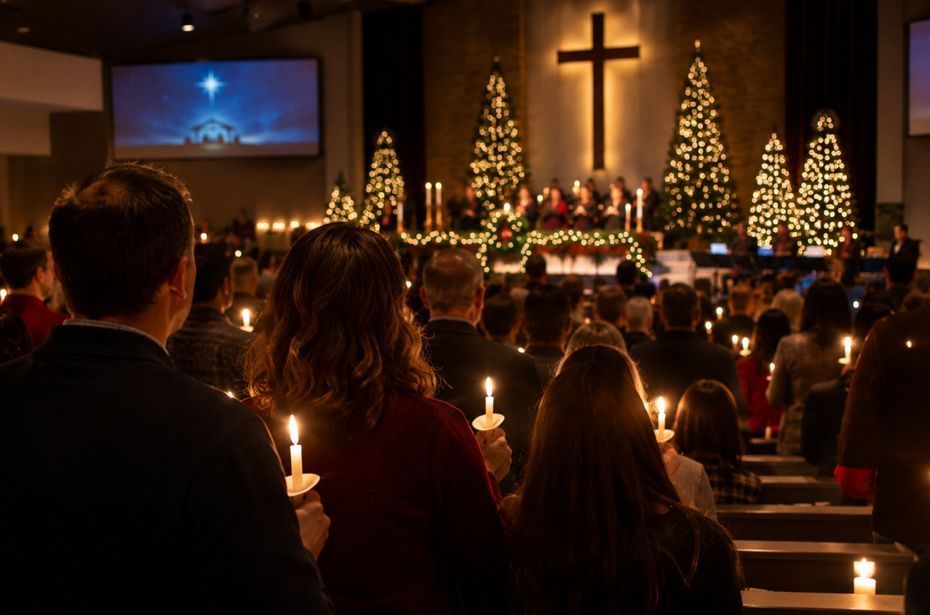
Churches regularly host events that bring together large groups of people. Holiday services, community outreach programs, festivals, and conferences can significantly increase attendance and activity levels. With more people, there is a greater chance of accidents or injuries.
Umbrella liability insurance helps provide additional protection when incidents at these events result in claims that exceed standard policy limits.
Transportation and Vehicle Use
Many churches use vehicles for ministry purposes. Whether transporting youth groups, delivering supplies, or coordinating outreach efforts, vehicle use introduces additional liability exposure. Accidents involving church-owned vehicles or even personal vehicles used for ministry can lead to costly claims.
Umbrella coverage can extend protection beyond the limits of auto liability policies, helping cover larger claims that may arise from vehicle-related incidents.
Growing and Multi-Site Ministries
As churches expand, their operations often become more complex. Multi-site ministries, additional staff, and expanded programming can all increase liability exposure. With growth comes the need to reassess whether existing coverage limits remain sufficient.
Umbrella liability insurance provides a way to strengthen protection as ministry operations grow and evolve.
How Umbrella Coverage Supports Long-Term Protection
Umbrella liability insurance is designed to protect more than just immediate expenses. It helps protect the church’s financial stability by covering large claims that could otherwise place a strain on resources.
By extending coverage limits, umbrella insurance helps ensure that a single incident does not disrupt long-term ministry efforts. It provides an added level of security that allows church leaders to focus on serving their congregation and community.
This type of coverage is not about expecting worst-case scenarios. It is about being prepared for situations that are less common but potentially more impactful.
Church Insurance Man Helps Churches Evaluate Umbrella Coverage
Church Insurance Man works with churches to evaluate their overall liability exposure and determine whether umbrella coverage is a good fit. This process includes reviewing existing policies, understanding ministry activities, and identifying areas where additional protection may be beneficial.
By taking a comprehensive approach, Church Insurance Man helps ensure that umbrella coverage aligns with the church’s structure and operations. This helps avoid gaps and ensures all layers of coverage work together effectively.
If a claim occurs, Church Insurance Man also provides guidance throughout the process. This support helps churches move through complex situations with a clearer understanding of what to do next.
Strengthening Your Church’s Insurance Coverage
Umbrella liability insurance plays an important role in a well-rounded insurance strategy. It strengthens existing coverage and provides additional protection for larger, less predictable risks.
As churches continue to grow and serve their communities in new ways, reviewing liability limits becomes increasingly important. Taking time to evaluate whether umbrella coverage is needed can help ensure that protection keeps pace with ministry activity.
If your church has not recently reviewed its liability coverage, now is a good time to take a closer look. Contact Church Insurance Man today at 470-375-8274 or
visit the website to learn how umbrella liability insurance can help protect your church and support your ministry in the future.